
You’re Not a Bad Parent, You’re Just Tired: Mental Health Tips That Really Help
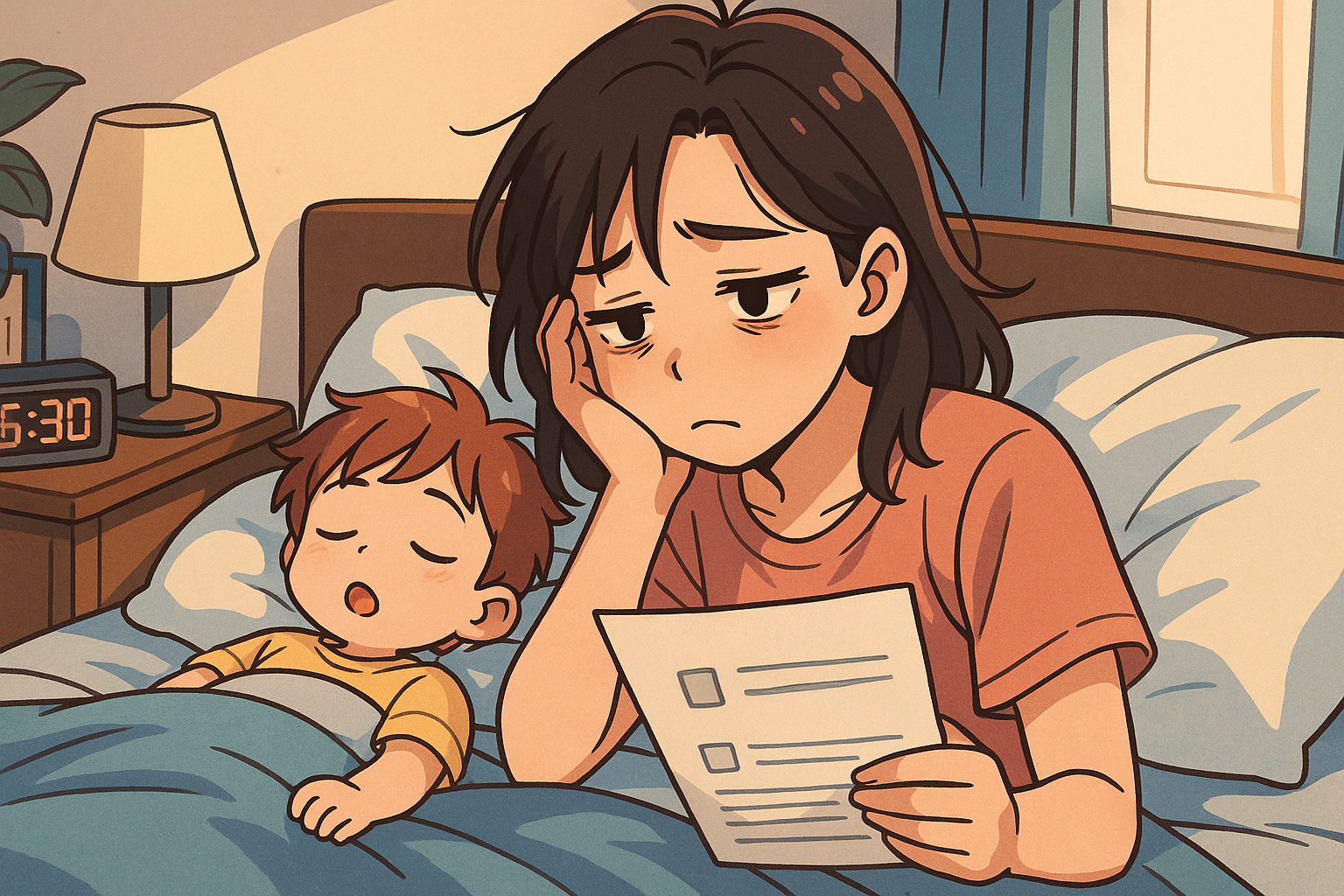
The first months with a baby can make even the calmest person feel like they’re unraveling. You love your child, but you also miss sleep, routine, and the version of yourself that wasn’t constantly in survival mode. The truth is simple: you’re not failing, you’re just exhausted.
Be Kind to Yourself
New parents often judge themselves harshly. It’s easy to think everyone else is coping better, especially when social media makes it look effortless. The NHS reminds parents that nobody is perfect and that guilt helps no one (NHS). Instead of asking if you’re doing enough, ask if you’re being kind to yourself.
Parenting author Jill Savage, in No More Perfect Moms, encourages parents to drop the fantasy of perfection. She writes that the goal isn’t flawless performance but creating a loving home where mistakes are normal and laughter is allowed.
Take Care of the Basics
Food, water, and rest may sound like small things, but they are the foundation of emotional stability. Even short naps can improve mood, and keeping quick snacks like fruit, nuts, and yogurt nearby can prevent blood sugar crashes that worsen irritability. Light exercise, such as a stroller walk, can also help. The NHS notes that fresh air and movement release endorphins that make stress easier to handle.
Stay Connected
Isolation makes hard days feel harder. Talking about your feelings with someone who understands, whether it’s your partner, a friend, or another new parent, can ease tension. The NHS suggests joining a local or online support group for new parents to share experiences and swap advice. Even a ten-minute chat can break up the loneliness and remind you that you’re not alone in this.
Ask for Help and Accept It
If someone offers to hold the baby while you shower, say yes. If a friend drops off food, let them. Many people want to help but need direction, so give them something specific to do. As Happiest Baby points out, accepting help is not weakness, it’s survival. Parenthood was never meant to be a solo act.
Watch for Warning Signs
Feeling overwhelmed is normal, but ongoing sadness, anxiety, or loss of interest may signal postpartum depression. The Office on Women’s Health reports that one in eight new mothers experiences it (Office on Women’s Health). Fathers can be affected too. If you notice persistent symptoms, talk with a healthcare provider or therapist. Treatment works, and early support can prevent things from worsening.
Try Small Stress-Relief Rituals
Tiny resets help more than you’d think. Take five minutes to stretch, breathe deeply, or watch something funny. The NHS recommends setting aside even half an hour a day to do something you enjoy, whether it’s a bath, reading, or just sitting quietly. These small acts remind your brain that life isn’t all feeding schedules and burp cloths.
Closing Thought
You don’t have to be endlessly patient or perfectly balanced to be a good parent. You just have to keep showing up. Be gentle with yourself, lean on others, and remember that the fog of early parenthood lifts. Rest, connection, and kindness to yourself aren’t luxuries; they’re how you get through this.