
The Best Apps and Tools That Make Life Easier for Neurodivergent Brains
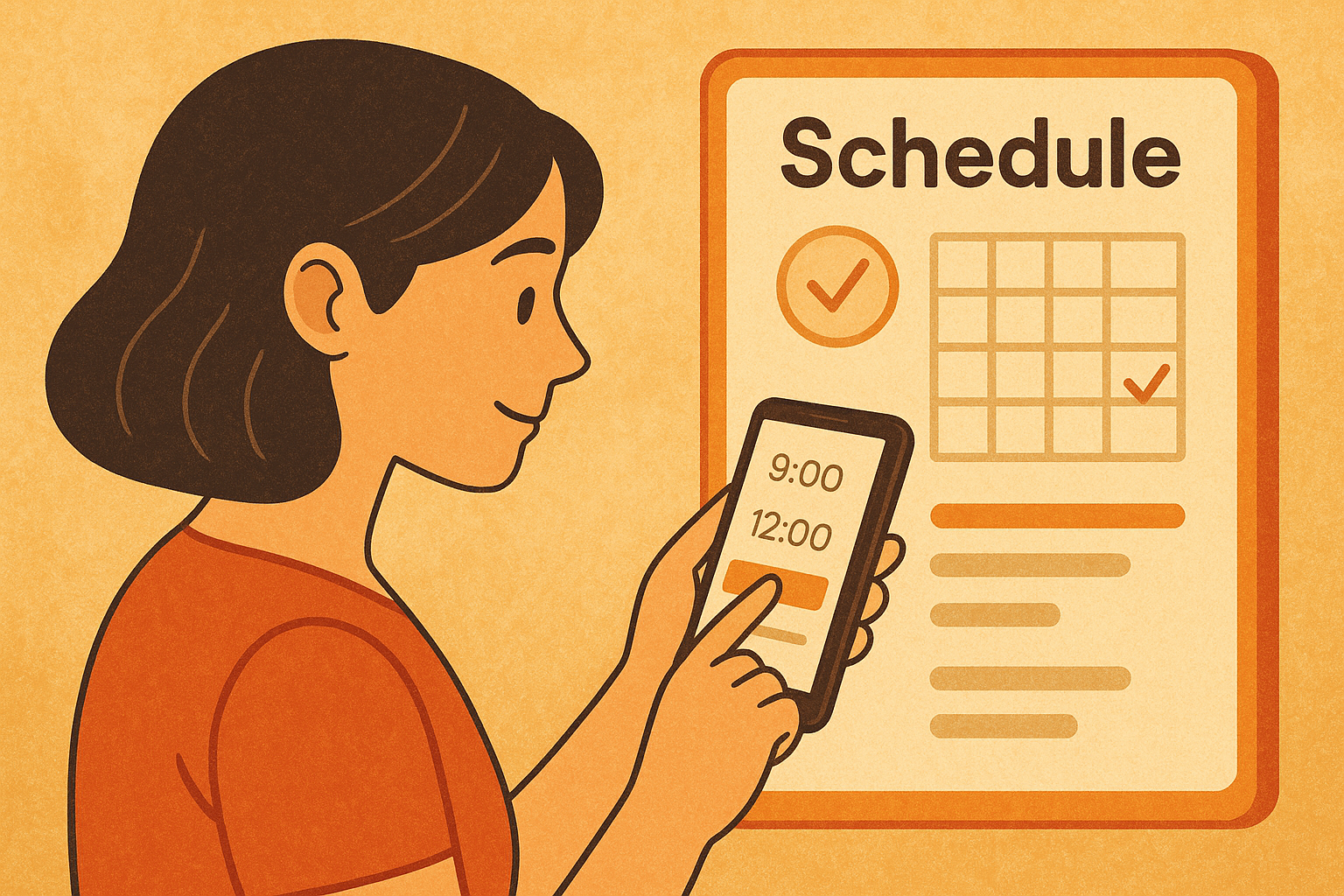
For many neurodivergent people, staying organized isn’t about trying harder—it’s about finding the right external supports. Executive functioning skills like planning, prioritizing, and time management can be a daily struggle, but the right tools can take the pressure off your brain and put it onto systems that actually stick. Here are some apps and devices that have proven especially useful.
Tiimo – Visual Scheduling Made Simple
Tiimo was built with ADHD and autistic users in mind. Instead of long text lists, it uses icons, colors, and visual timers to make routines easy to follow. The British Dyslexia Association notes that combining calendars, reminders, and visual supports helps reduce the load on working memory, which is often a pain point. Tiimo offers that scaffolding in a way that feels approachable and clear.
Habitica – Gamify the Mundane
When daily tasks feel overwhelming, turning them into a game can boost motivation. Habitica does just that—completing chores or habits earns you points to level up a character. Gamification is especially motivating for people who struggle with routine because it adds novelty and immediate rewards. For many, this makes everyday tasks easier to stick with.
Time Timer – Make Time Tangible
Abstract time can be slippery for ADHD and autistic brains. The Time Timer solves this by displaying time as a diminishing red disk, giving a clear visual cue of how much is left. Experts often recommend visual timers for transitions and focus because they turn the invisible into something you can literally see. Whether for study sessions, work sprints, or bedtime routines, it’s a straightforward but powerful support.
Speechify – Read by Listening
Text-to-speech is a lifeline for many dyslexic learners and others who process information better by ear. Speechify reads articles, books, or emails aloud in natural voices, letting you keep pace without fighting through dense text. Tools like this make it easier to focus on the content instead of the mechanics of reading, which can reduce fatigue and boost comprehension.
Neuralist – Capture Chaos and Turn It Into a Plan
Messy notes, half-formed ideas, and scattered to-dos can quickly spiral into overwhelm. Neuralist is designed to take that unstructured input and turn it into structured, visual task plans. Many ADHD and autism experts recommend “externalizing” organization—getting tasks out of your head and into a system. Neuralist takes this principle a step further by shaping your raw thoughts into timelines and priorities you can actually work from, reducing the executive function load while keeping your own voice intact.
Smart Speakers – Ask and Remember
Sometimes the simplest supports make the biggest difference. Devices like Amazon Alexa or Google Assistant can set reminders, alarms, or recurring tasks with just your voice. For many, this reduces the friction of writing things down and provides an always-available “external brain.” Saying “remind me at 8 PM to take my meds” can be enough to prevent an important task from slipping through.
Evernote or OneNote – A Single Home for Notes
Scattered scraps of paper and endless tabs can sabotage even the best intentions. Evernote and OneNote consolidate everything—typed notes, images, even audio—into one searchable system. Support guides for neurodivergent learners often highlight the value of having one clear “home” for information, so you always know where to look.
Choosing What Fits
No one tool works for everyone. The real goal is to experiment until you find the mix that makes your brain feel lighter and more supported. Whether you’re looking for a focused aid like Time Timer or Speechify, or a comprehensive system like Neuralist that helps you keep the bigger picture under control, the best tools are the ones that make daily life feel less overwhelming and more doable.